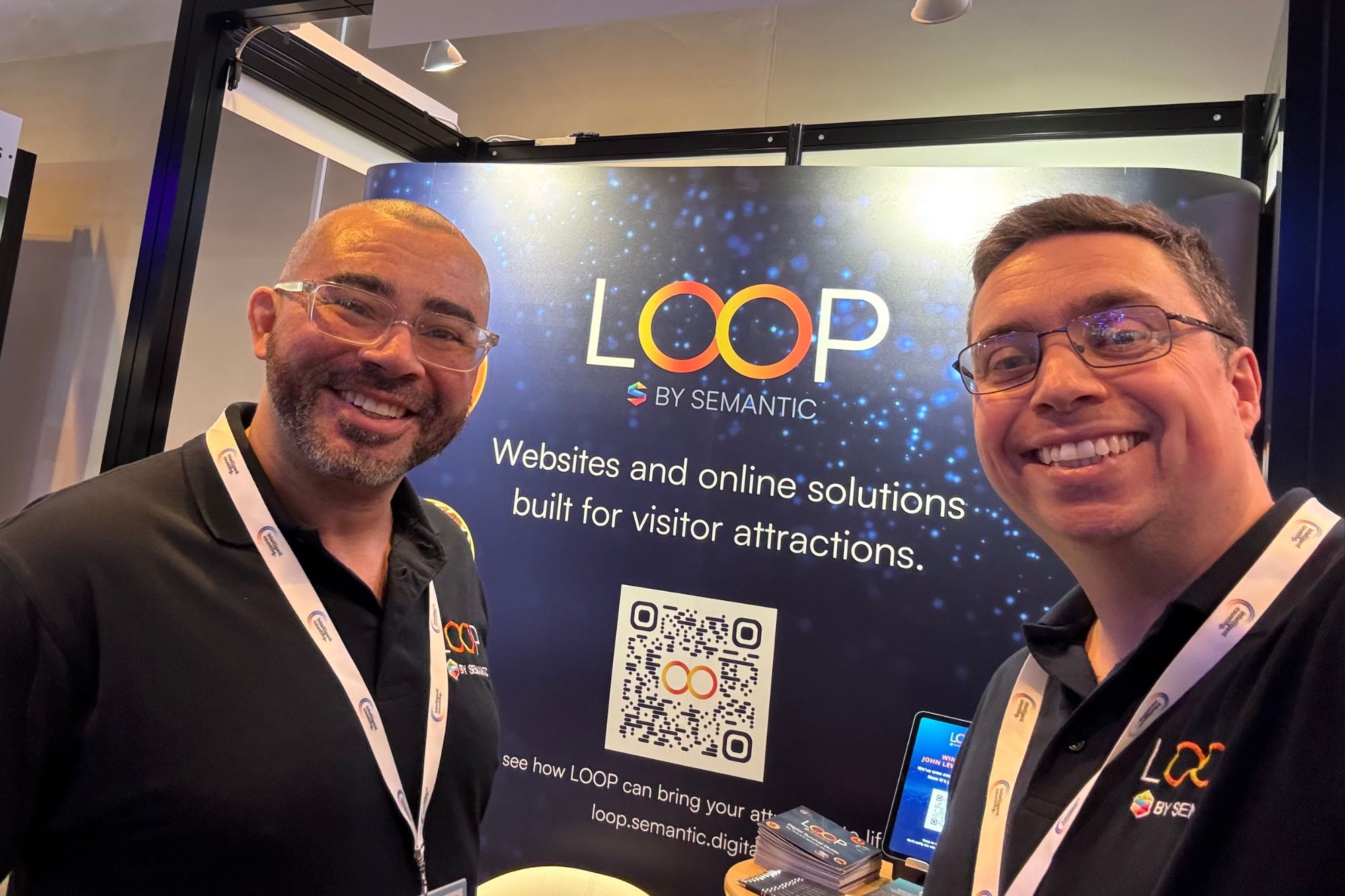


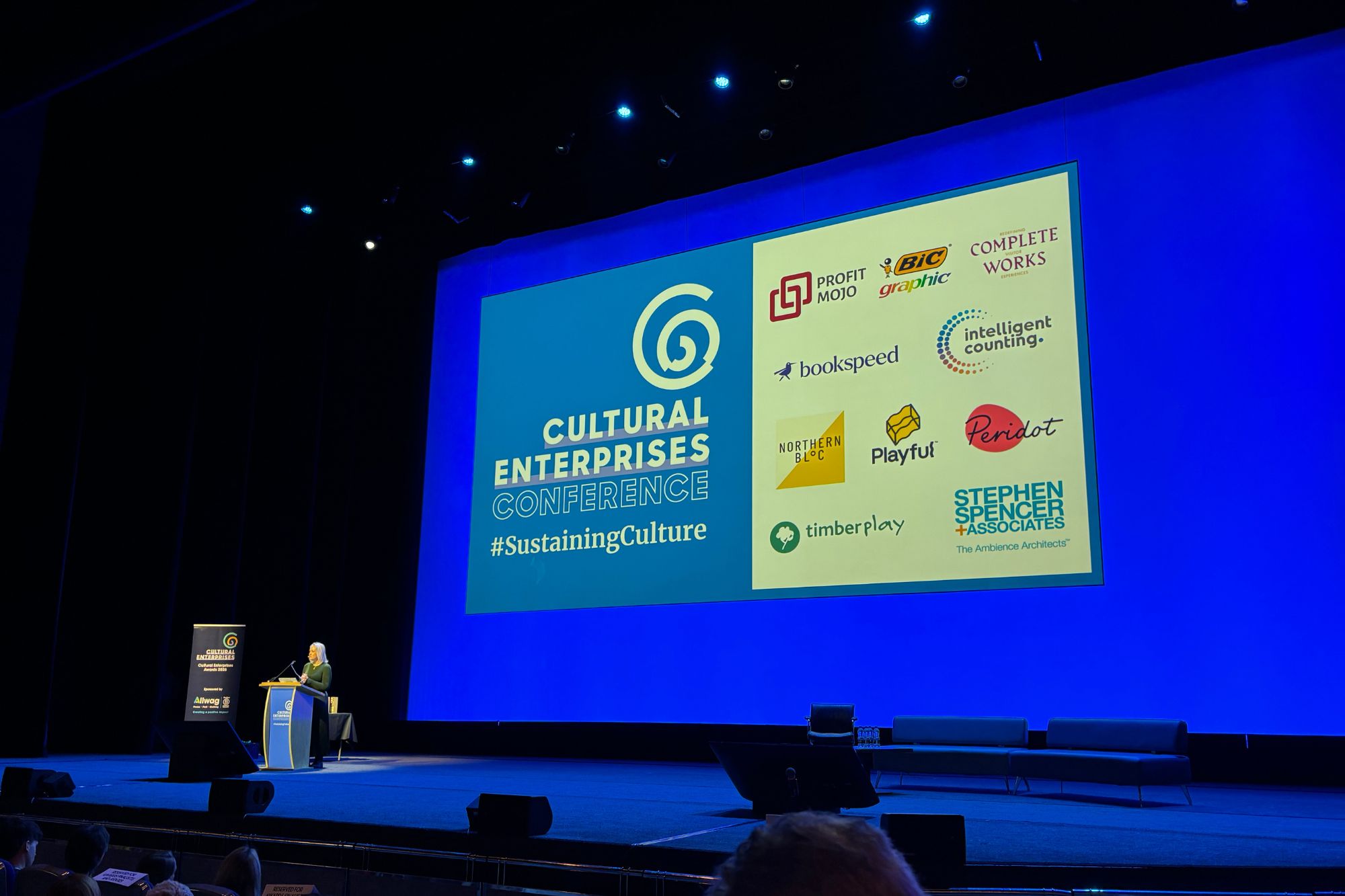
Last week I attended the annual conference hosted by the Association for Cultural Enterprises for the first time. After what has felt like a long, grey winter, it was genuinely energising to spend time with leaders from across the museum and heritage sector.
What struck me most was not just the quality of the talks or the scale of the event. It was the tone. There has been a noticeable shift in how people are talking about money, growth and commercial thinking.
Commercial thinking is now responsible leadership
For years, conversations around revenue in cultural organisations could feel slightly uncomfortable. Tickets were fine. Grants were necessary. Retail and secondary spend were accepted. But push too hard on pricing strategy, upselling, partnerships or commercial performance and the tone sometimes changed.
At this conference, that hesitation felt largely gone.
The reality is clear. Most attractions are facing:
- Ongoing funding uncertainty
- Rising operational and staffing costs
- Higher visitor expectations
- More competition for leisure time and spend
Against that backdrop, financial resilience is not optional. It is a leadership responsibility. "Making money" is no longer considered dirty or secondary to purpose. It is increasingly seen as the mechanism that protects purpose.
That shift in mindset felt significant.
Ringfence space to experiment
Another idea that stayed with me was the suggestion to protect a small percentage of budget, even 5%, just for experimentation.
Two phrases were repeated more than once:
- Good enough to launch
- Safe enough to try
In a sector that values care, heritage and precision, experimentation can feel uncomfortable. There is a natural desire to get things perfect. But waiting for perfect often means not moving at all.
That 5% might support:
- Testing new retail product lines
- Piloting premium or behind the scenes experiences
- Adjusting membership models
- Trialling new events
- Improving the online booking journey
- Exploring new digital engagement tools
The point is not reckless risk. It is controlled learning. Small tests, run deliberately, compound over time. Without protected space to try new things, innovation becomes something that always happens “next year”.
Revenue needs to be broader than tickets
One of the most consistent themes throughout the event was that revenue thinking must extend beyond the obvious.
Tickets and memberships remain important, but they are only part of the picture. Sustainable cultural organisations are increasingly thinking about:
- Retail as a strategic offer, not an afterthought
- Food and beverage as part of the overall experience
- Premium and exclusive experiences
- Venue hire and corporate partnerships
- Digital engagement that drives pre visit conversion
- Post visit communication that builds repeat visits and loyalty
This is not about aggressive selling. It is about recognising that visitor experience and commercial performance are closely linked. When done well, they reinforce each other.
The role of digital in commercial resilience
Although the conference covered a broad range of topics, it was clear that digital plays a central role in this more commercial mindset.
Your website is often the first impression and the primary conversion point. It shapes perception, communicates value and influences whether someone books, joins or returns.
Commercial thinking online might mean:
- Clearer calls to action
- Smarter upsell opportunities
- Better visibility of retail and experiences
- Stronger storytelling around value
- Easier mobile booking journeys
These are not radical changes. But they require intent. They require measurement. And they require the willingness to improve incrementally.
The bigger takeaway
The biggest takeaway for me is simple.
Museums and heritage venues cannot afford to be shy about revenue anymore. Commercial courage does not dilute cultural integrity. It protects it.
The organisations that will thrive over the next decade will be those that:
- Think more broadly about income
- Protect space to experiment
- Use digital as a commercial tool, not just an information channel
- Balance mission with financial realism
There is real optimism in the sector. But it is a grounded optimism. One that recognises the challenges and is prepared to adapt.
We'll look forward to being back next year, or come and see us at the Museum & Heritage Show in London in May!