

The biggest mistake an attraction can make today is treating its website as a finished product. In 2026, the digital landscape moves far too fast for a 'set and forget' mentality. If you treat your site like a printed brochure, it begins to depreciate the moment it goes live.
This is especially true in the era of AI search. As Google rolls out new AI Overviews and platforms like ChatGPT become the default travel planners for millions, the rules of digital visibility are changing monthly. If your website is built on a rigid, bespoke foundation that takes weeks to update, you are already falling behind.
The Invisible Friction of Bespoke Websites
Many visitor attractions find themselves trapped in a frustrating cycle. Their website might look fine to visitors, but behind the scenes, the marketing team is struggling with what we call the "Dev Bottleneck."
Every minor campaign, new landing page, or adjustment to opening times requires a developer ticket and a week's wait. Updates take so long to implement that, eventually, they just stop happening. The site slowly drifts out of sync with the actual visitor experience on the ground, and instead of being your most powerful salesperson, the website becomes a hurdle you have to jump over every morning.
When the website feels like a blocker, the natural reaction is to work harder - launching more complex email flows or throwing more budget at ads. But the friction never really goes away. The issue is not a lack of effort; it is that the website was never built to evolve.
The Shift to Continuous Improvement
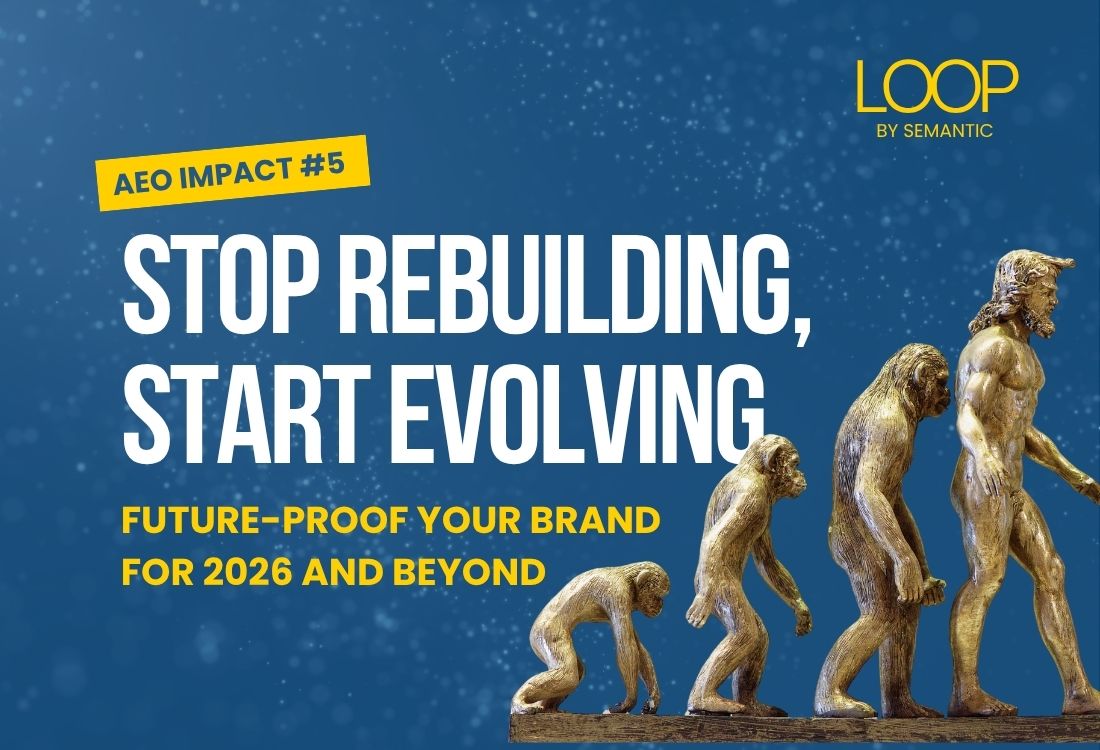
The attractions pulling ahead this year are not just running better campaigns; they have fixed the foundation underneath. They are moving away from the expensive, disruptive cycle of completely rebuilding their website every three to five years.
Instead, leading attractions are choosing platforms that enable autonomy. Marketing teams need the ability to push content, change pricing, or highlight events instantly without touching a line of code. Also as AI search demands real-time, structured data and API connectivity to live booking systems, your website must be agile enough to adapt to these new technical requirements quickly.
Actionable Takeaways
To ensure your attraction remains visible and competitive in an AI-driven world, you need to rethink your digital infrastructure.
1. Audit your agility. How long does it take your team to publish a new, fully structured event page? If the answer is measured in days or weeks rather than minutes, your current CMS is holding you back from adapting to the pace of AI search.
2. Prioritise integrations. Ensure your website can connect seamlessly with your ticketing and booking partners. AI tools need to see live availability to recommend you; if your systems cannot talk to each other, you risk being omitted from AI itineraries entirely.
3. Embrace the evolution model. Stop budgeting for massive, stressful website rebuilds every few years. Shift your strategy, and your budget, toward a platform that offers continuous updates, new features, and ongoing support. Your website should be getting better every month, not every five years.
LOOP in action: LOOP by Semantic is designed to break the rebuild cycle. It is not a fragile, one-off project; it is a powerful, sector-specific platform designed to improve, adapt, and stay current as your attraction grows. With LOOP, your marketing team gets complete control over content, navigation, pages, layouts and more, allowing you to react to market changes and AI search trends instantly.
Because LOOP is constantly being developed - with regular roadmap updates, new core features, and ongoing security patches - your website never goes out of date. If your website feels like something you have to work around, maybe you just need a better foundation.
Book a free demo at loop.semantic.co.uk
--
Sources
Blooloop (2025). The new gatekeepers: AI itineraries & the future of visitor discovery. blooloop.com/technology/opinion/ai-search-travel/